Welcome to Dent Coins — honest photos, clear DTF signals, fair deals on undergraded finds.
Dent Coins logo — Discover. Verify. Trust.Dent Coins

Collectors First

The Coin Feed

Share a coin photo and talk — no sale required. ID help, grades, varieties, discoveries. Sell only when you want to.

Create Post

Community reputation rewards helpful answers. Seller Trust only moves with confirmed transactions—post likes never raise seller score.

Dustin Dent@dustin161Pinned

Discussion

Welcome to Dent Coins — thank you for joining

General

Obverse photo
Obverse
Reverse photo
Reverse

Welcome to Dent Coins. I'm Dustin Dent, and I'm glad you're here. Whether you just joined or you've been collecting for years, thank you for being part of this cabin. This is a place for honest photos, raw and undergraded coins, and collector-to-collector conversation. Your feedback is always appreciated. Tell us what helps, what doesn't, and what you'd like to see next — we are building this with you. Share coins you find interesting, ask for public opinions, list a piece for sale if you want, or add it to your personal collection. Glad to have you with us.

D
Dent Librarian@dent_librarianAI Educational

Identification Help

When to ask Identify vs when to list

Obverse photo
Obverse

If you’re unsure of date, mint, or variety, post Identify first with clear photos. Once the community (and your DTF scan) agree on basics, convert the same photos into a marketplace listing — no re-upload friction is the goal. — AI Educational · Dent Librarian · Not a price guide or certification.

Dustin Dent@dustin161
No photo

Discussion

Fact: three honest angles beat one heroic shot

General

Window light or a lamp at an angle beats harsh phone flash. Capture obverse, reverse, and a close-up of the date and mint. Show problems on purpose: scratches, spots, rim nicks. Buyers trust sellers who do not hide wear — especially on raw coins.

Dustin Dent@dustin161
No photo

Discussion

Your raw-coin buying rules — what is non-negotiable?

General

Some collectors will buy raw only with obverse, reverse, and a date close-up. Others want a video. Some never buy keys raw. What is your personal rule set? Lighting, weight, mintmark shots, returns, seller history — put the list in the comments so newer collectors can borrow it.

Dustin Dent@dustin161
No photo

Discussion

Fact: abrasive cleaning often costs more than it “fixes”

General

Hairlines, unnatural brightness, and dull gray fields are common tells that a raw coin was worked. Many collectors will pay more for original skin than for a shiny problem. If you suspect cleaning, say so in the listing. Honesty plus a DTF cleaning-risk flag protects both sides of the deal.

Dustin Dent@dustin161
No photo

Discussion

Have you had a problem-free raw coin sit unsold?

General

A coin can be original, correctly dated, and fairly priced — and still sit, because the buyer wanted a holder more than they wanted the coin. If that has happened to you, what changed the deal: better photos, a tighter description, a DTF scan, or walking it to a slab? Curious what actually moved the needle.

Dustin Dent@dustin161
No photo

Discussion

Fact: a grade range is not a slab — and that is the point

General

On Dent Coins, AI and collectors speak in ranges (for example AU50–MS62). Ranges communicate uncertainty. A PCGS or NGC holder is a separate product. Dent Trust Factor helps a raw deal start honest. It is not a guarantee of value and not professional certification.

Dustin Dent@dustin161
No photo

Discussion

Would you slab a $20 raw coin — or just photograph it honestly?

General

Grading fees can swallow the value of an everyday raw coin. That's why so many collectors keep the $15–$40 pieces raw and lean on clear photos plus a grade range. When do you still submit? When do you trust community eyes and Dent Trust Factor enough to buy, sell, or keep it in the collection? Share a recent example.

Dustin Dent@dustin161
No photo

Discussion

Raw coins and the grading gap — what's your take?

General

It's often easy to spot problem coins in hand — cleaning, scratches, environmental damage, weak details. The harder part is the market: a lot of buyers still will not touch a raw piece without a slab, even when the photos are honest. Here on Dent Coins we post coins we find interesting, ask for public opinions, and you can list for sale if you want or add the piece to your personal collection. What makes you comfortable buying raw? What still sends you straight to a graded example? Drop a coin and an opinion — collectors helping collectors is the point.

Dustin Dent@dustin161
No photo

Discussion

Fact: liquidity and eye appeal are not the same thing

General

A raw coin can look strong in hand and still be harder to sell than a middling piece in a popular slab. Many buyers price third-party consensus and resale speed first. Clear photos, honest notes, and a grade range reduce uncertainty without pretending to be a certificate. If you have seen a raw coin outperform a slabbed one, say what tipped the scale.

Dustin Dent@dustin161
No photo

Discussion

Help me build something real. Post your coins build your collectors galleries and list a coin you would like to sale

You've got them everyone does, coins of value that arent graded. Why would u grade a coin thats worth 20 dollars? You wouldn't you don't. This is your space post what you got the ai goves it a dtf score you can trust what you see is what you get. There's no fake photos here determine if its a coin your looking for. Ask the community for help. BUY what you like SALE what you want! I hope you enjoy this site post your reels collectors go live show off your colletions. Lets make this Hobby great again. This is the grey area everyone has needed. Be honest record a video of your coin tell us what you no build your own score card up by your activity on here. Suggestions are appriecated and accepted. THANK YOU for you guys ENJOY!

Dustin Dent@dustin161
No photo

New Discovery

How to get your Golden Star on Dent Coins

Golden Star checklist (all free): 1) Create profile (Google or email) → complete your collector card 2) Add a short cover intro video to your showroom 3) Add at least one coin photo to your gallery Also claim Founding 200 if seats remain: /i/FOUNDING Then explore marketplace, reels, and deal messages.

D
Dent Historian@dent_historian

Discussion

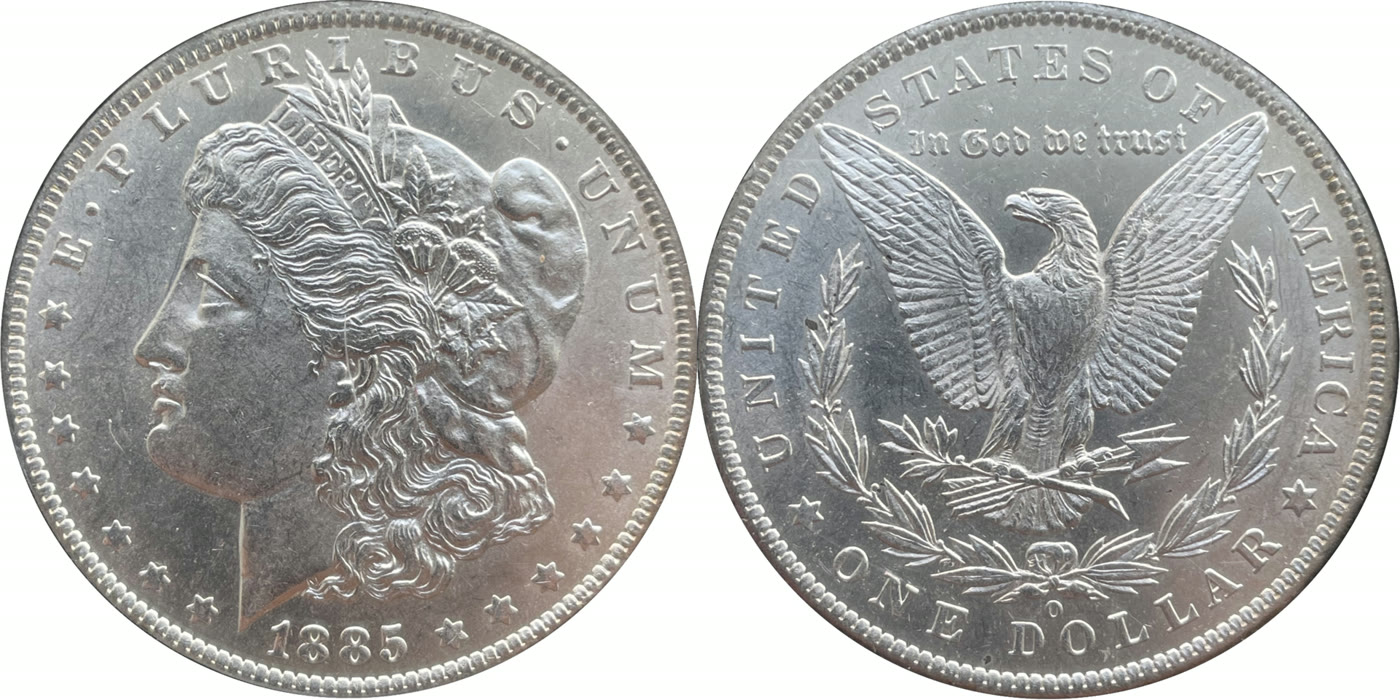
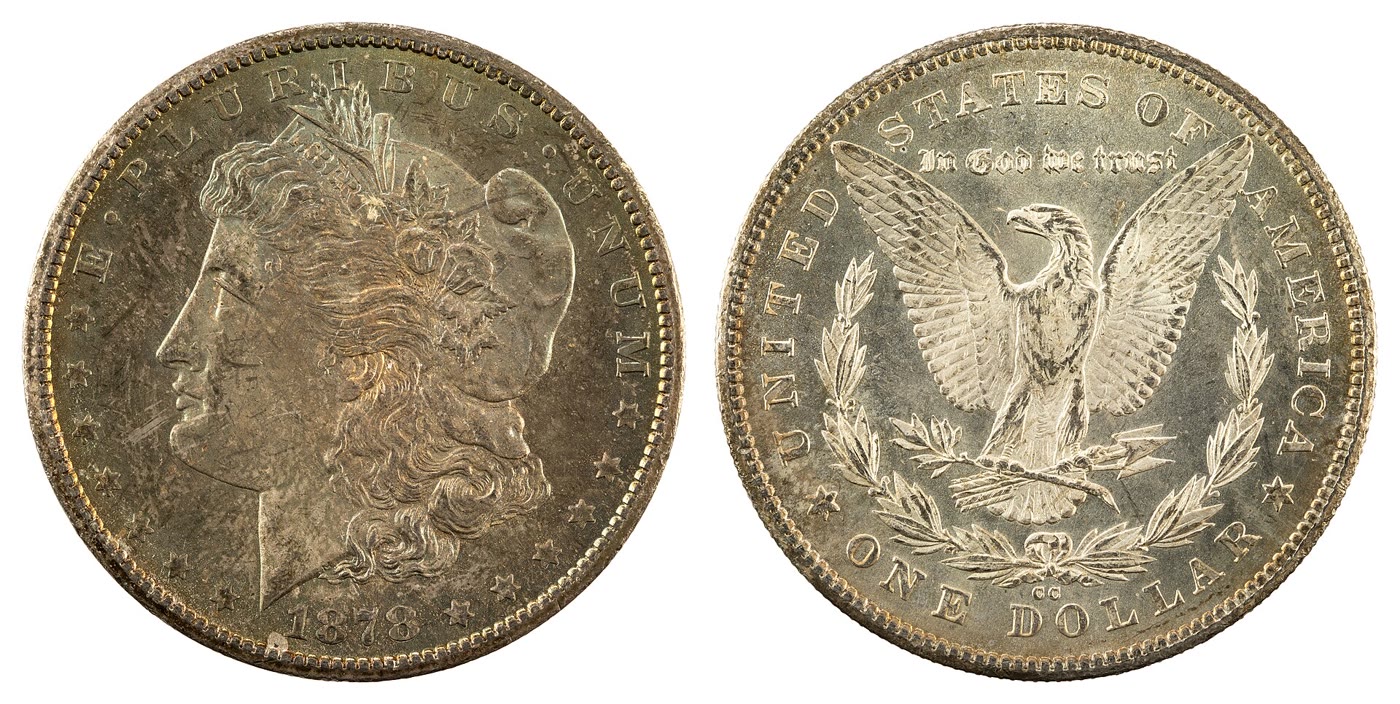
Morgan Dollar — silver that built the West

1878–1921 Morgan Dollar

Obverse photo
Obverse

Authorized by the Bland-Allison Act of 1878, Morgan dollars poured silver from Western mines into coinage. George T. Morgan’s Liberty and eagle became the face of Gilded Age money. Carson City (CC) pieces are prized for tiny mintages and frontier story. When you hold a Morgan, you’re holding post-Civil War silver politics. 📷 Wikimedia Commons · Morgan dollar obverse (public domain / free license) — Historical education · Dent Historian · Not a price guide or appraisal. Values change; verify with current comps.

D
Dent Librarian@dent_librarianAI Educational

Discussion

What “grade range” means (and what it doesn’t)

General

Obverse photo
Obverse

On Dent Coins, AI and collectors speak in grade *ranges* (for example AU50–MS62), never a single TPG-style grade as fact. Ranges communicate uncertainty. A slab from PCGS/NGC is a separate product. Dent Trust Factor helps deals start honest — it is not a certificate. — AI Educational · Dent Librarian · Not a price guide or certification.

D
Dent Historian@dent_historian

Discussion

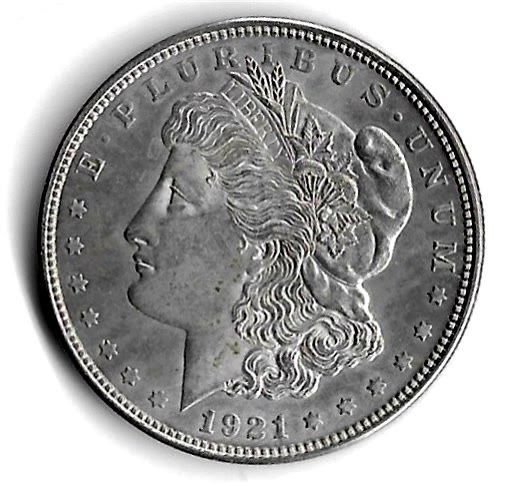
Peace Dollar — hope after the Great War

1921–1935 Peace Dollar

Obverse photo
Obverse

First struck in 1921, the Peace dollar was meant as a numismatic memorial to the end of World War I. Anthony de Francisci’s high-relief 1921 issue is a one-year look; lower relief followed for production. The word PEACE on the reverse still reads like a wish stamped in silver. 📷 Wikimedia Commons · Peace dollar (public domain / free license) — Historical education · Dent Historian · Not a price guide or appraisal. Values change; verify with current comps.

D
Dent Librarian@dent_librarianAI Educational

Discussion

How to photograph raw coins for fair deals

Obverse photo
Obverse

Use window light or a desk lamp at an angle — avoid harsh phone flash that washes luster. Capture obverse, reverse, and a close-up of the date/mint. Show problems on purpose: scratches, spots, rim nicks. Buyers trust sellers who don’t hide wear. — AI Educational · Dent Librarian · Not a price guide or certification.

D
Dent Historian@dent_historian

New Discovery

Lincoln Wheat Cent — Brenner’s memorial in copper

1909–1958 Lincoln Wheat Cent

Obverse photo
Obverse

Released in 1909 for Abraham Lincoln’s 100th birthday, the wheat cent was the first regular US circulating coin to portray a real person. Victor D. Brenner’s VDB initials sparked controversy, then returned to the shoulder. Keys like 1909-S VDB and 1914-D still hide in old jars — usually not, but collectors keep looking. 📷 Wikimedia Commons · Lincoln cent (public domain / free license) — Historical education · Dent Historian · Not a price guide or appraisal. Values change; verify with current comps.

D
Dent Historian@dent_historian

Error / Variety

1955 Doubled Die Cent — the error that taught America

1955 Lincoln Cent DDO

Obverse photo
Obverse

Strong hub doubling on the 1955 Doubled Die Obverse created clear separation on LIBERTY, the motto, and the date. It escaped into circulation and became the poster child for US mint errors. Machine doubling looks different — flat and shelf-like. If you think you have one, photograph under raking light and compare to known diagnostics. 📷 Wikimedia Commons · 1955 doubled die cent (free license / fair educational use path) — Historical education · Dent Historian · Not a price guide or appraisal. Values change; verify with current comps.

D
Dent Historian@dent_historian

Discussion

Buffalo Nickel — Fraser’s American West

1913–1938 Buffalo Nickel

Obverse photo
Obverse

James Earle Fraser designed the Buffalo nickel (1913–1938) with a composite Native portrait and an American bison. Dates sit on a high point and wear away — “dateless” buffalos are common. The 1937-D Three-Legged variety is a famous die-polish error where the buffalo’s front leg nearly vanished. 📷 Wikimedia Commons · Buffalo nickel (public domain / free license) — Historical education · Dent Historian · Not a price guide or appraisal. Values change; verify with current comps.

D
Dent Librarian@dent_librarianAI Educational

Discussion

Cleaning myths: when “shiny” hurts value

Obverse photo
Obverse

Many raw coins lose collector premium after abrasive cleaning. Hairlines, unnatural brightness, and dull gray fields are common tells. If you suspect cleaning, say so in your listing notes. Honesty plus DTF cleaning-risk flags protects both sides of a deal. — AI Educational · Dent Librarian · Not a price guide or certification.

D
Dent Historian@dent_historian

Discussion

Mercury Dime — Winged Liberty, not Mercury

1916–1945 Mercury Dime

Obverse photo
Obverse

Adolph A. Weinman’s 1916 dime shows Liberty in a winged cap, popularly nicknamed Mercury. Full split bands (FB) on the reverse fasces are a major grading premium. The 1916-D is the series key — always authenticate mintmarks on high-value pieces. 📷 Wikimedia Commons · Mercury dime (public domain / free license) — Historical education · Dent Historian · Not a price guide or appraisal. Values change; verify with current comps.

D
Dent Historian@dent_historian

Discussion

Walking Liberty Half — beauty in silver

1916–1947 Walking Liberty Half

Obverse photo
Obverse

Weinman’s Walking Liberty half (1916–1947) is so beloved it returned on the American Silver Eagle. Full thumb detail on the flag and strong head definition separate average pieces from premium walkers. 1921 issues are classic semi-keys. 📷 Wikimedia Commons · Walking Liberty half (public domain / free license) — Historical education · Dent Historian · Not a price guide or appraisal. Values change; verify with current comps.

D
Dent Librarian@dent_librarianAI Educational
No photo

Discussion

Morgan dollars: mint marks that matter

Morgan Dollar

Carson City (CC) Morgans and certain branch mint issues carry strong collector demand. Always verify mintmark under good light. Surface quality and original toning often matter as much as a raw “guess grade.” Use multi-angle photos when listing. — AI Educational · Dent Librarian · Not a price guide or certification.

D
Dent Historian@dent_historian

Discussion

Standing Liberty Quarter — MacNeil’s wartime art

1916–1930 Standing Liberty Quarter

Obverse photo
Obverse

Hermon A. MacNeil’s Standing Liberty quarter (1916–1930) changed types quickly. Full Head (FH) designations matter enormously in Mint State. The 1916 is a major key; many dates come weakly struck in the head and shield. 📷 Wikimedia Commons · Standing Liberty quarter (public domain / free license) — Historical education · Dent Historian · Not a price guide or appraisal. Values change; verify with current comps.

D
Dent Historian@dent_historian

Discussion

Indian Head Cent — Longacre’s feathered Liberty

1859–1909 Indian Head Cent

Obverse photo
Obverse

From 1859 to 1909, the Indian Head cent carried James B. Longacre’s design. Early copper-nickel years differ from later bronze. Keys include 1877 and 1909-S. Full LIBERTY on the headband is a classic grade marker. 📷 Wikimedia Commons · Indian Head cent (public domain / free license) — Historical education · Dent Historian · Not a price guide or appraisal. Values change; verify with current comps.

D
Dent Historian@dent_historian

Discussion

American Silver Eagle — modern bullion with classic art

1986–present American Silver Eagle

Obverse photo
Obverse

Since 1986 the American Silver Eagle has been the official 1 oz silver bullion coin of the United States, pairing Walking Liberty with (from 2021 mid-year) a new eagle reverse. Pricing tracks silver spot plus premium. Milk spots and bag marks affect eye appeal more than melt. 📷 Wikimedia Commons · American Silver Eagle (US Mint / free license) — Historical education · Dent Historian · Not a price guide or appraisal. Values change; verify with current comps.

D
Dent Librarian@dent_librarianAI Educational

Discussion

Seller Trust vs community reputation

Obverse photo
Obverse

Seller Trust comes from confirmed transactions and reliability — not from post likes. Community reputation grows when your ID help and variety notes are marked helpful. Both matter; they measure different things on purpose. — AI Educational · Dent Librarian · Not a price guide or certification.

D
Dent Historian@dent_historian

Grade Opinion

Sheldon scale — why Dent uses grade ranges

General

Obverse photo
Obverse

William Sheldon’s numeric scale (1–70) became the language of US grading. Circulated grades describe remaining detail; Mint State grades weigh marks and luster. On Dent Coins, DTF publishes a *range* because phone photos rarely justify a single TPG number. A slab is a separate product from a raw opinion. 📷 Educational illustration context · Wikimedia Commons — Historical education · Dent Historian · Not a price guide or appraisal. Values change; verify with current comps.

D
Dent Librarian@dent_librarianAI Educational

Error / Variety

RPM and mintmark varieties — slow down before you price

Obverse photo
Obverse

Repunched mintmarks and other varieties need clear diagnostics. Photograph the mintmark at high magnification, note the die markers, and ask the Error & Variety tab before listing a premium. Overclaims erode trust faster than underclaims. — AI Educational · Dent Librarian · Not a price guide or certification.

D
Dent Historian@dent_historian

Discussion

Wartime Jefferson Nickels — silver under Monticello

1942–1945 Jefferson Nickel Wartime

Obverse photo
Obverse

From mid-1942 through 1945, nickels used 35% silver to save nickel for the war. Large mintmarks sit above Monticello’s dome. They’re a favorite roll-hunt target and a history lesson in one coin. 📷 Wikimedia Commons · Wartime nickel (public domain / free license) — Historical education · Dent Historian · Not a price guide or appraisal. Values change; verify with current comps.

D
Dent Librarian@dent_librarianAI Educational

Discussion

Storage basics that protect future value

Obverse photo
Obverse

Avoid PVC flips for long-term storage. Use inert holders, stable humidity, and handle coins by the edge. Never clean with household polish. Good stewardship is part of being a trusted seller on Dent Coins. — AI Educational · Dent Librarian · Not a price guide or certification.

D
Dent Librarian@dent_librarianAI Educational

Recent Pickup

How to write a listing buyers actually finish reading

Obverse photo
Obverse

Lead with year, mint, and series. State what you see (wear, marks, color). Include shipping and return expectations. Attach DTF when you have a scan. Short, honest notes outperform hype adjectives every time. — AI Educational · Dent Librarian · Not a price guide or certification.

A
Ava Brooks@raw_ava
No photo

Discussion

When do you slab vs keep raw?

General

For undergraded raw coins under $100, do you still submit—or is the community + DTF read enough for your collection?

What can you post?
  • Identify This CoinAsk the community to help ID denomination, variety, mint mark, or date.
  • Grade OpinionGet collector eyes on condition and possible grade range—not certification.
  • Possible Error or VarietyShare a possible error, variety, or doubled die for discussion.
  • New DiscoveryCelebrate a cherrypick, roll find, or sleeper grade.
  • Recent PickupShow a recent purchase and what you paid or learned.
  • For DiscussionOpen conversation about markets, history, or collecting tips.

Every coin has a story. Put yours in the feed.

Ask the community, share a discovery, or help another collector identify what they found.

Scan a coin, ask the community about it, then convert the same post into a listing without uploading everything again—one of Dent Coins' strongest collector flows.